
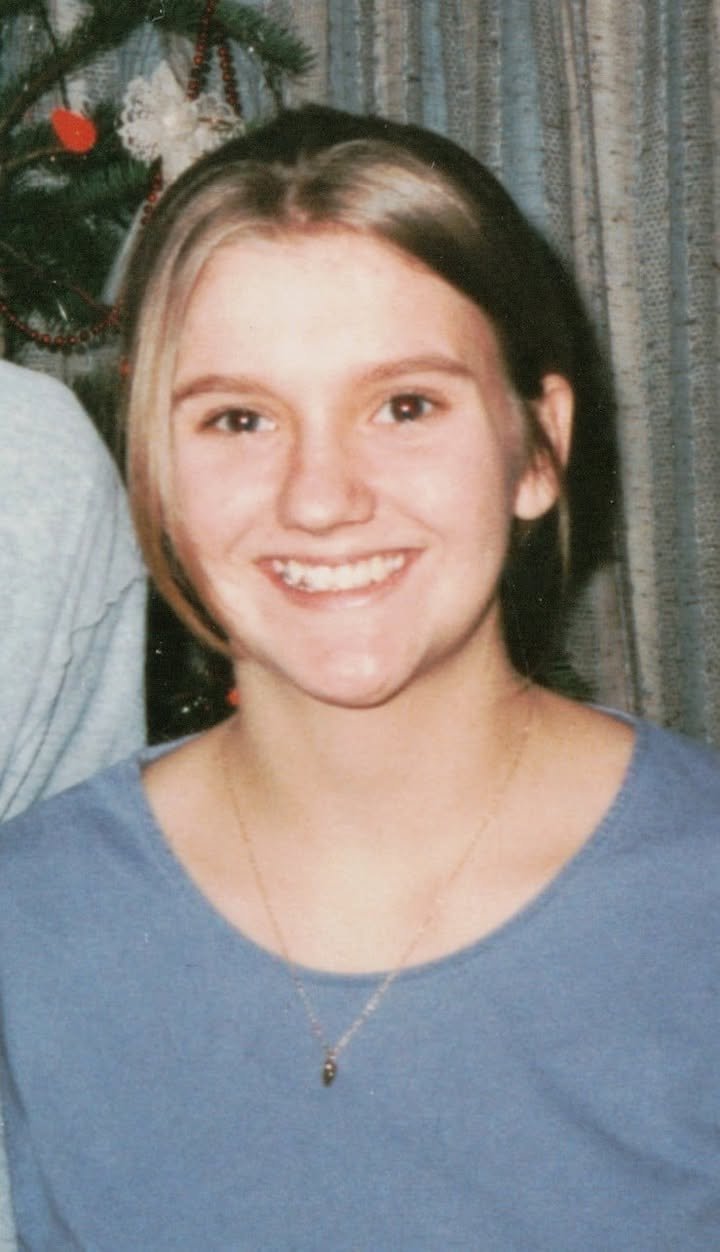
In 1996, 15-year-old Danielle “Danni” Houchins was murdered near the Cameron Bridge fishing access along the Gallatin River in Gallatin County, Montana. Despite extensive investigation, the case remained unsolved for nearly three decades.
At the time, investigators collected critical evidence—including four hairs recovered from the victim’s body—but the technology available could not generate meaningful leads.
Years later, advances in DNA analysis changed that.
Astrea developed a SNP profile from hair evidence recovered from the victim, transforming previously unusable material into actionable genetic data. That profile enabled downstream forensic genetic genealogy, performed by Cece Moore at Parabon Nanolabs, ultimately leading investigators to a suspect.
The case was re-energized under Gallatin County Sheriff Dan Springer, who reopened the investigation and brought in specialists including Tom Elfmont, a retired LAPD investigator, and Sgt. Court Depweg, who focuses on DNA-driven homicide investigations.
Using the newly developed DNA data, investigators identified Paul Hutchinson of Dillon, Montana as the individual believed responsible.
In July 2024, investigators interviewed Hutchinson, who died shortly after, before charges could be filed.
While the case does not follow a traditional path to prosecution, it represents a significant investigative breakthrough. After nearly 30 years, investigators were able to identify the person responsible and provide long-awaited answers to the victim’s family.
This case highlights the power of modern forensic DNA analysis—demonstrating that even a single hair, once considered insufficient for testing, can now unlock critical leads.
It also reflects a broader shift in forensic science: preserved evidence, combined with advances in sequencing and analysis, continues to bring resolution to cases once thought unsolvable.
Further Reading & Sources