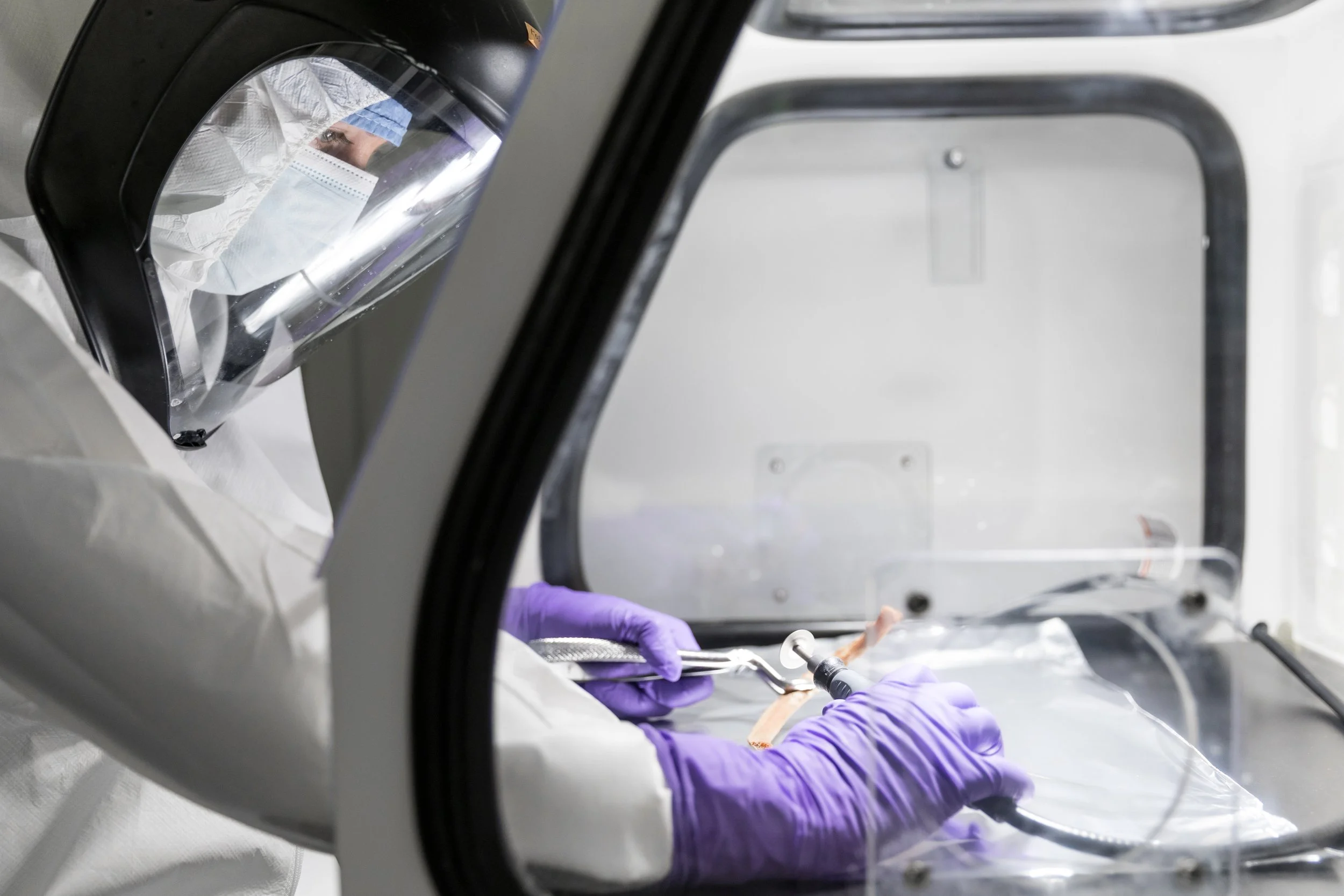
A single strand of rootless hair can harbor enough DNA to build a complete genetic profile containing hundreds of thousands or even millions of SNPs.
See how genetic genealogists and investigators have used Astrea Forensics whole genome technology to help solve cold cases and identify unknown individuals from other burial contexts.
Astrea Forensics is now ISO/IEC 17025 accredited by ANAB, reinforcing our commitment to high-quality forensic DNA testing and reliable results.
Advanced DNA methods helped identify Warren Kuchinsky, whose remains were found in New Hampshire in 1986, solving a cold case after nearly 40 years.
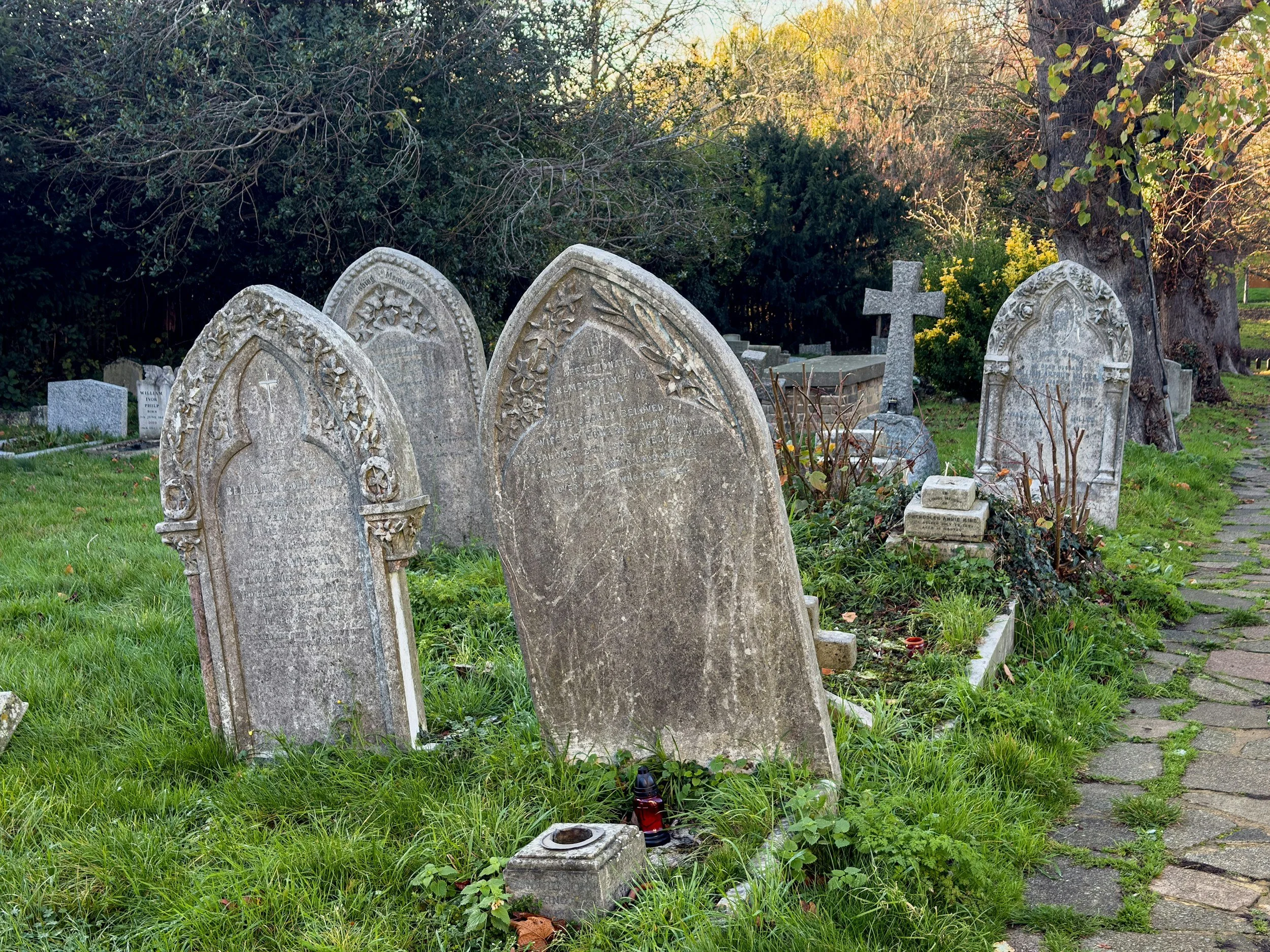
DNA analysis helped link unidentified remains in New Hampshire to a 19th-century family, restoring identity across generations.
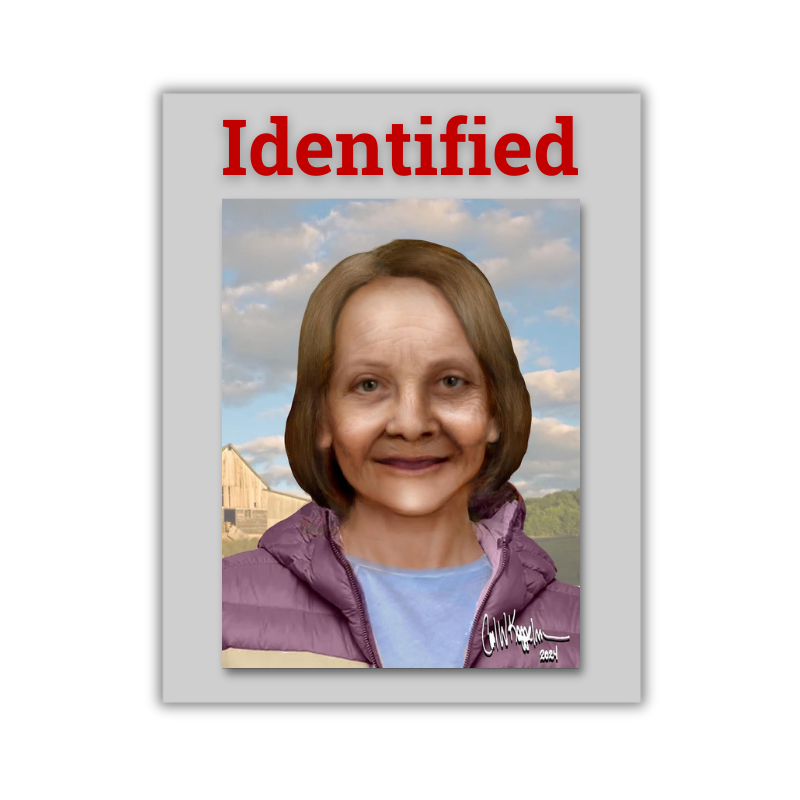
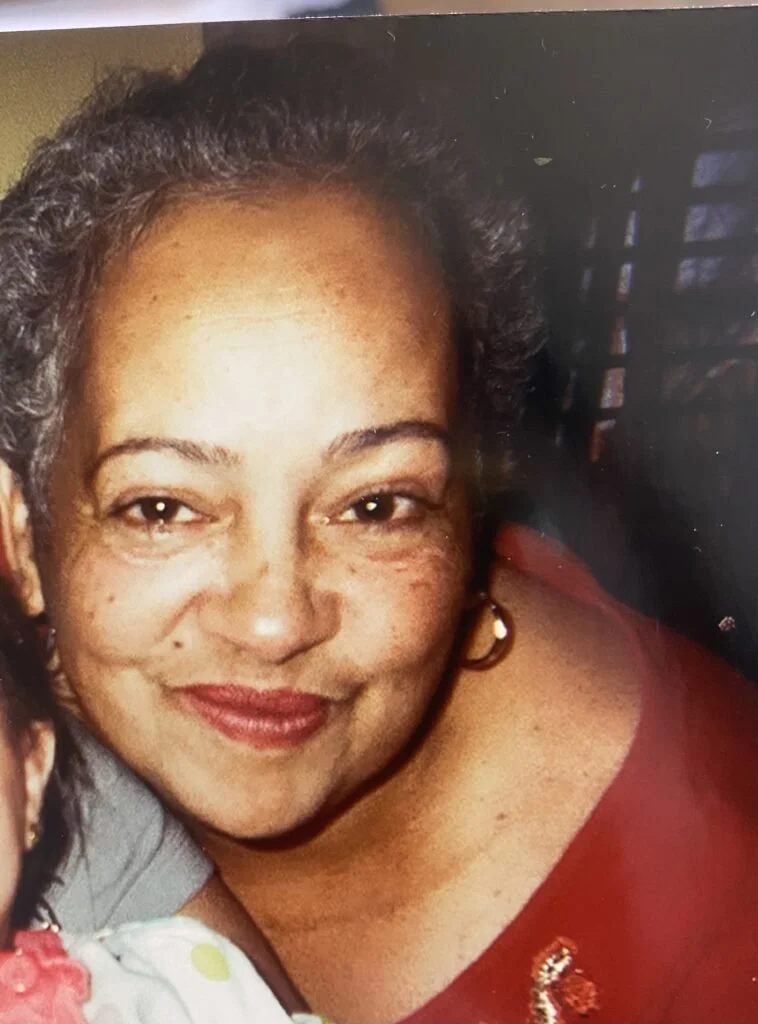
The 2002 St. Croix County Jane Doe case was solved in partnership with the DNA Doe Project, using DNA analysis and genetic genealogy, and ultimately identifying the remains as 92-year-old Alyce Peterson after 23 years.
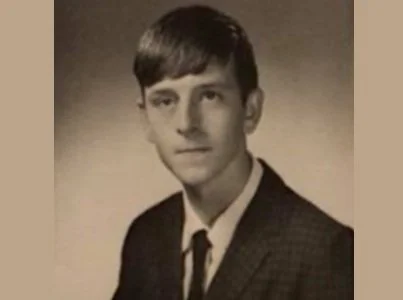
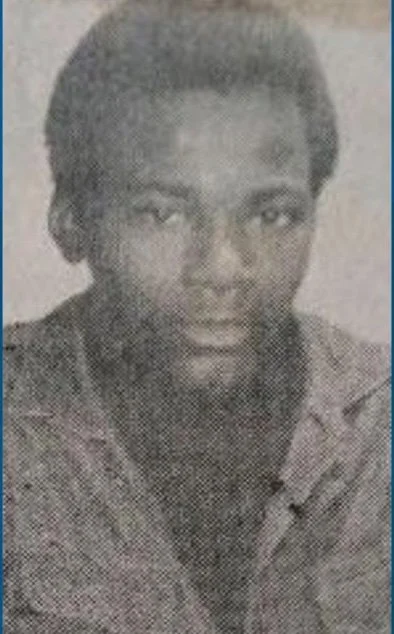
Carl Matthew Byrant’s name is restored after 53 years. “The identification was made possible through advanced DNA testing and forensic-grade genome sequencing provided by Astrea Forensics.”
Astrea Forensics appears in three episodes of Naming the Dead (Hulu/Disney+/Nat Geo), extracting DNA from degraded samples to support the investigative genetic genealogists from the DNA Doe Project.
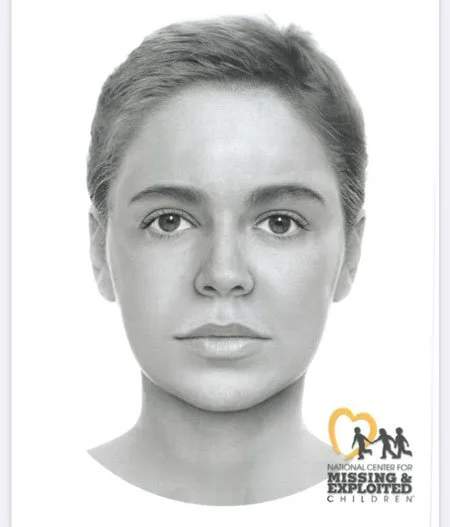
Astrea Forensics successfully generated a DNA profile from rootless hair, aiding in the identification of a cold case victim in partnership with Innovative Forensic Investigations and NCMEC.
DNA analysis helped identify Maria Quinones Garcia, whose remains were found in New Jersey in 2017, resolving a long-running missing persons case.
Astrea Forensics labs assisted the Pennsylvania State Police Bureau of investigation with a positive identification of Ruth Brenneman, a 14-year old girl whose remains were found in 1973.
Canyon County DA Ted Lagerwall discusses how whole genome sequencing helped solve the 1982 murder of 9-year-old Daralyn Johnson. These advanced forensic techniques, including using rootless hair DNA analysis and direct DNA comparison, were pivotal to Idaho's first forensic investigative genetic genealogy case.
Practical FIGG Casework Bioinformatics for the Forensic Practitioner. Join Ed Green and Cydne Holt at ISHI 2024 to learn cutting-edge techniques for SNP data processing in forensic casework.
Astrea developed a SNP profile from hair evidence, helping identify a suspect in the 1996 Gallatin County, Montana cold case of Danielle Houchins.
Two 1979 homicides are solved after a revolutionary DNA technique enables a one-to-one comparison between the crime scene evidence and the suspect, Jurn Norris.
Astrea Forensics aids NYPD and NCMEC in identifying Patricia Kathleen McGlone by extracting DNA from a decades-old bone sample found in a New York City basement, and developing a SNP profile for the investigative genetic genealogists to develop leads.
The analysis of this hair sample, conducted by Astrea Forensics, yielded a genotype that conclusively matched the genotype obtained from a similar case.
Samples from rootless hair collected from Opelika Jane Doe aided in the genetic genealogy identification of Amore Wiggins
Genome sequencing and genetic genealogy helped identify Wendy Stephens, the youngest and final known victim of the Green River Killer, restoring her name after nearly four decades.
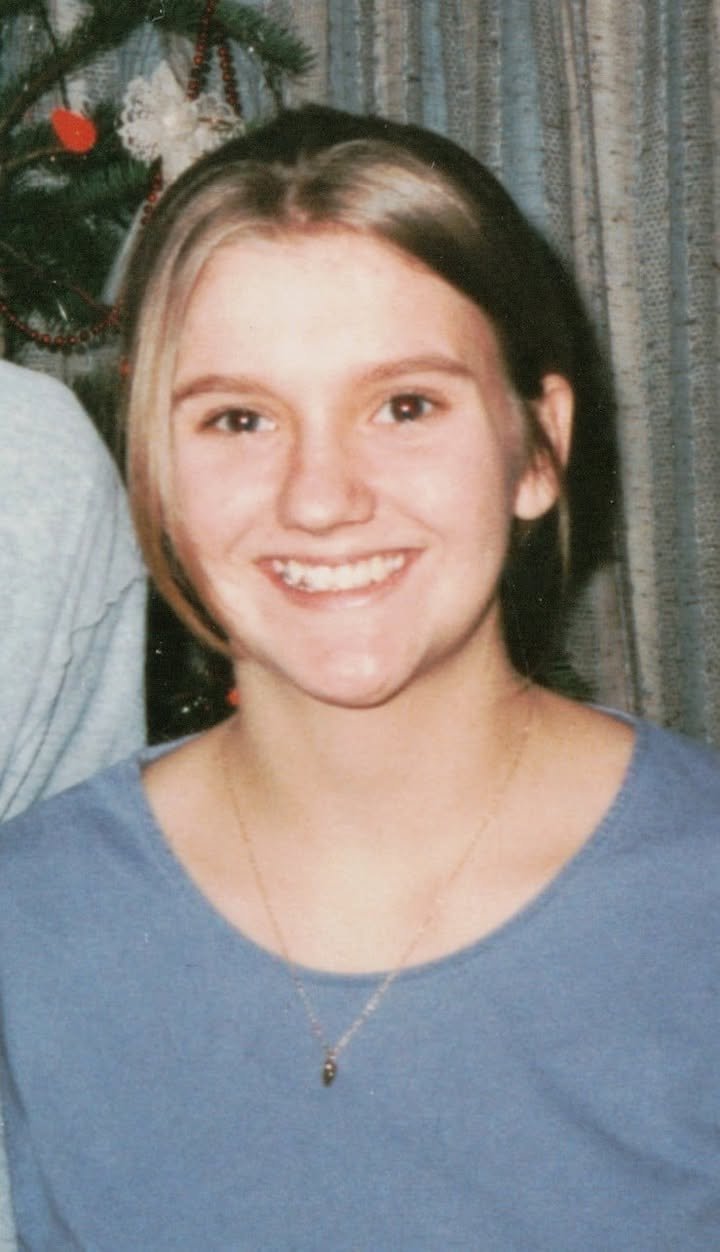
Whole genome sequencing and genetic genealogy identified Cadance Langley, a 14-year-old Jane Doe found in Arizona in 2020, leading to a 25-year sentence in the case.
Single hair yields 13x genome coverage for IGG
DNA from bones of John Doe used to identify a man born in 1793