
In May 2017, a single human foot—still inside a sock and shoe—was discovered along the Delaware River in Warren County, New Jersey. With no additional remains and no identifying information, the case quickly went cold.
For years, traditional investigative methods, including standard DNA testing, failed to identify the individual.
In 2023, the New Jersey State Police partnered with the Ramapo College Investigative Genetic Genealogy Center to apply new forensic approaches. Bone remains were sent to Astrea Forensics, where whole genome sequencing and SNP profile generation were performed, producing the genetic data needed for genealogical analysis.
Using this data, students in the Ramapo program conducted investigative genetic genealogy research, tracing family connections and narrowing in on a potential identity.
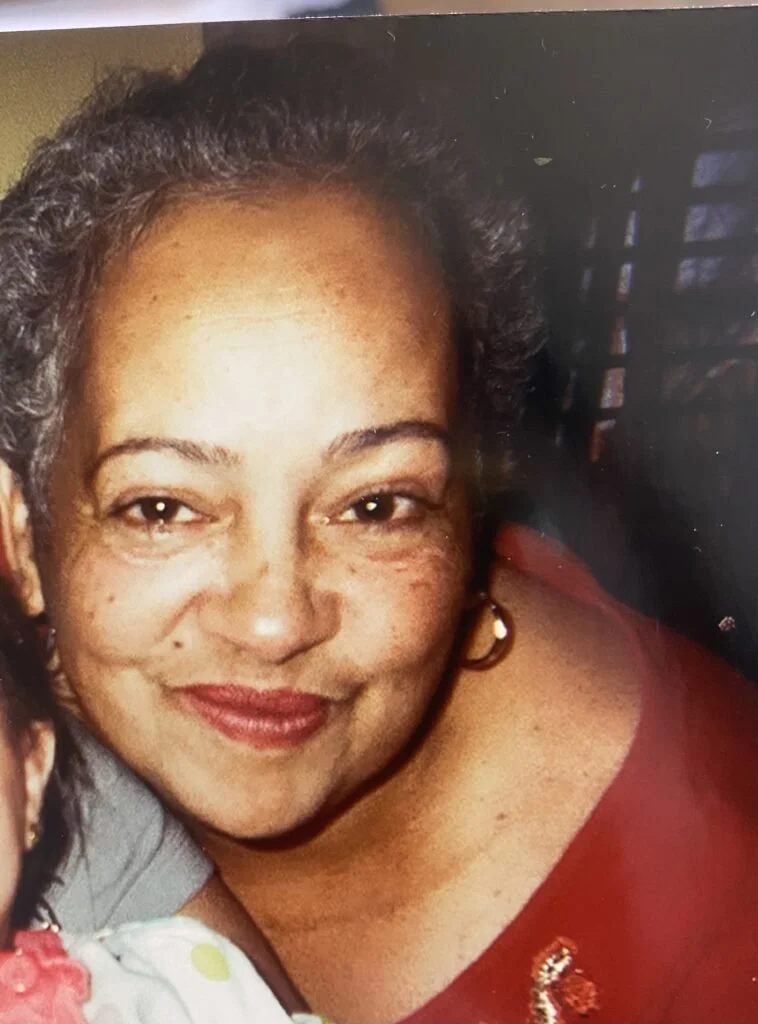
The remains were ultimately identified as Maria Quinones Garcia, a 54-year-old woman who had gone missing from Allentown, Pennsylvania in 2014.
Because her children had previously submitted DNA samples, investigators were able to confirm her identity—bringing closure to a decade-long missing persons case.
This case highlights the power of combining advanced sequencing with collaborative investigative work. Even with minimal evidence, high-quality genomic data can unlock new pathways to identification.
Further Reading & Sources
https://patch.com/new-jersey/mahwah/womans-remains-found-nj-are-finally-idd-bergen-county-students
https://www.fox29.com/news/nj-students-help-solve-cold-case-allentown-woman-missing-since-2014
Astrea provides advanced DNA sequencing and bioinformatics to support forensic investigations. Astrea does not perform genealogical analysis.